PRODUCTION/DEPLOYMENT/SCALED USE
Tracking Animal Health in Zoos Using Blockchain Technology
Annabelle Mousley, BEng;1 Fatima Ali, BEng;1 Melissa Lyons, BEng;1 Reza Vatankhah Barenji MD2 
1Department of Engineering, Nottingham Trent University, Nottingham, England, UK; 2Principal Lecturer of Smart Systems, Department of Engineering, Nottingham Trent University, Nottingham, England, UK
Keywords: animal, Animal Welfare Act, blockchain technology, healthcare, Hyperledger fabric
Abstract
Animal welfare issues occasionally make headlines and are a subject for continuous improvement. Inadequate living conditions and a lack of healthcare have led to constant violations of the Animal Welfare Acts in zoos. This can be improved by using a system to accurately manage crucial animal health data and make it accessible and shared between facilities. The aim of this article is to design a Hyperledger Fabric-based system, named the “Zoo Trust Database,” to enable seamless sharing of zoo animal data between zoos and conservation facilities. The system ensures that accurate healthcare data and medical histories of animals are securely recorded and accessible to authorized network peers at all times. The system will provide information to the regulatory authorities limiting the instances of violations in healthcare management of animals. This system has the potential to help facilities make better-informed treatment decisions while improving animal welfare.
Citation: Blockchain in Healthcare Today 2026, 9: 403.
DOI: https://doi.org/10.30953/bhty.v9.403
Copyright: © 2026 The Authors. This is an open-access article distributed in accordance with the Creative Commons Attribution Non-Commercial (CC BY-NC 4.0) license, which permits others to distribute, adapt, enhance this work non-commercially, and license their derivative works on different terms, provided the original work is properly cited and the use is non-commercial. See http://creativecommons.org/licenses/by-nc/4.0. The authors of this article own the copyright.
Received: April 29, 2025, Accepted: April 2, 2026, Published: May 25, 2026
Financial and Non-Financial Relationships and Activities: No financial nor non-financial relationships or activities directly or indirectly affected the conclusions of this article.
Funding: No funding was applied to the resaarch.
Corresponding Author: Reza Vatankhah Barenji, Email: Reza.vatankhahbarenji@ntu.ac.uk
Blockchain technology is a decentralized and secure digital ledger that ensures data management. Unlike traditional centralized systems, blockchain operates through a distributed network, making it fraud resistant by having a chain of interlocked blocks.1 The purpose of the technology is to create secure, transparent, and decentralized data management.
Fabric is a permissioned blockchain platform designed for enterprise use. It is used in this system to ensure secure, transparent, and tamper-proof transactions within the network.2 It is an open-source, enterprise-level distributed ledger technology (DLT) platform that has a modular architecture that can be customized for various industries. It’s a decentralized and permissioned platform where all participants are known and follow a consensus protocol. In the network, confidential transactions are carried out under compliance regulations. It stands out from other platforms as it supports pluggable consensus protocols, enabling optimization. The transactions cannot be modified, but new ones can be entered and tracked, making it a trusted network.
The ethicality of zoos has long been debated. It is argued that they play crucial roles in conservation, research, and breeding programs. Inadequate habitats and care have been a frequent animal welfare issue. The case of Waccatee Zoo in South Carolina, U.S., exemplifies just this, as it was shut down due to multiple Animal Welfare Act violations, including malnutrition and lack of veterinary care leading to premature animal deaths.3 Hyperledger Fabric offers transparency and accountability using immutable digital ledgers and tracking histories. It would preserve the tamper-proof records of all entries, ensuring accurate and reliable data tracking. It can enable real-time monitoring of animal health and welfare, offering regulatory bodies comprehensive oversight to ensure compliance with the Animal Welfare Act.
Literature Review
Recent advances in electronic health records (EHR) have significantly reshaped veterinary medicine, enhancing disease monitoring, epidemiological surveillance, and overall animal welfare assessment. These developments provide a robust digital infrastructure for integrating complementary technologies, particularly in controlled and high-accountability environments such as zoological institutions, where data traceability and integrity are essential.
The analytical use of EHR data has expanded beyond clinical care into broader interdisciplinary research. For example, mining veterinary records has enabled exploration of associations between animal-related incidents and human health outcomes, including potential links between cat bites and depression.4 Such applications underscore the importance of ensuring high-quality, reliable health data. Studies examining farm-based EHR systems have demonstrated that electronic recording enhances data accuracy and traceability compared to traditional record-keeping methods.5 Furthermore, research assessing the requirements of veterinary EHR systems has highlighted the need for empirically grounded system development to ensure functionality and relevance to clinical workflows. Surveys conducted in independent veterinary practices have identified persistent barriers to EHR adoption while also noting the underutilization of these systems for population-level health analysis.6
The EHR systems have substantially strengthened veterinary health surveillance capabilities. Large-scale comparative analyses of canine disorders have identified conditions such as dental disease, obesity, and osteoarthritis as significant contributors to welfare burdens, demonstrating the value of EHR-derived data in evidence-based prioritization.7
The identification of disease clusters and the implementation of automated classification methods further confirm the role of EHRs in monitoring environmental and zoonotic health risks.8 Passive surveillance studies show that companion animal clinical records can be leveraged to track tick activity patterns, providing actionable insights for both veterinary and public health communication. Additionally, syndromic surveillance systems have successfully used EHR data to detect communicable and point-source outbreaks within pet populations.9 Complementary research has explored how routine clinical data, when analyzed using informatics approaches, can support early detection of environmental and emerging health threats.10
Beyond surveillance, EHRs facilitate detailed examination of clinical practices and decision-making processes. Analyses have revealed discrepancies between diagnostic testing and pharmaceutical prescribing patterns, raising concerns regarding potential contributions to antimicrobial resistance.11 The EHR-based investigations have also examined euthanasia practices, providing insights into the complex interaction of clinical judgement, ethical considerations, and emotional factors influencing end-of-life decisions.
The stratification of disease prevalence according to breed and life stage has further illustrated the analytical potential of EHR datasets, enabling more personalized and targeted veterinary care strategies. Monitoring of obesity trends in companion animals has demonstrated the role of EHRs in addressing population-level health management challenges.12 Broader demographic analyses have examined life-stage distributions and socioeconomic influences on access to veterinary care, offering a more comprehensive understanding of disparities within animal healthcare systems.13
Collectively, these studies confirm that EHR systems play a pivotal role in supporting individual patient management and large-scale population health strategies in veterinary contexts. Despite these advantages, challenges persist related to data interoperability, system adoption, and the assurance of data integrity. These limitations suggest the need for complementary technological solutions.
Blockchain Technology
Blockchain technology presents a promising approach to addressing these challenges by providing decentralization, tamper-resistance, enhanced transparency, and secure multi-stakeholder access. Such characteristics are particularly relevant to zoological institutions, where multiple actors, including veterinarians, researchers, regulatory bodies, and conservation stakeholders, require secure and auditable access to animal health records. The proposed research therefore aims to extend the established capabilities of EHR systems by integrating blockchain-based architecture, thereby creating a secure, efficient, and transparent framework for managing and tracking animal health data in zoological settings.
System Architecture Design
Requirement Analysis
To enhance the robustness and applicability of the proposed Zoo Trust Database (ZTD) system, domain experts were consulted at multiple stages of the development process. During the initial requirements analysis phase, specialists in veterinary informatics, animal welfare regulation, and blockchain architecture provided structured feedback on system objectives, data integrity requirements, and stakeholder interactions. Their insights directly informed the three core distributed ledgers: Animal Registry, General Health, and Medication. The design associated smart contracts to automate registration, health monitoring, and prescription processes. This expert-driven input ensured that the system design addresses real-world operational and regulatory constraints, such as compliance with the Animal Welfare Act and the need for tamper-proof tracking of animal health data.
System Design
The animal data flow system shown in Figure 1 is a pool of data that consists of registration, tracking healthcare, and medication data. Zoos and conservation facilities contribute to this data pool with the data of their animals, whereas the data of other facilities is read-only. The trust database is part of the Animal Database. Facilities have real-time access to all current and prior data. The accessibility of this data ensures transparency and security between different facilities. The regulatory body oversees the database in compliance with the Animal Welfare Act.
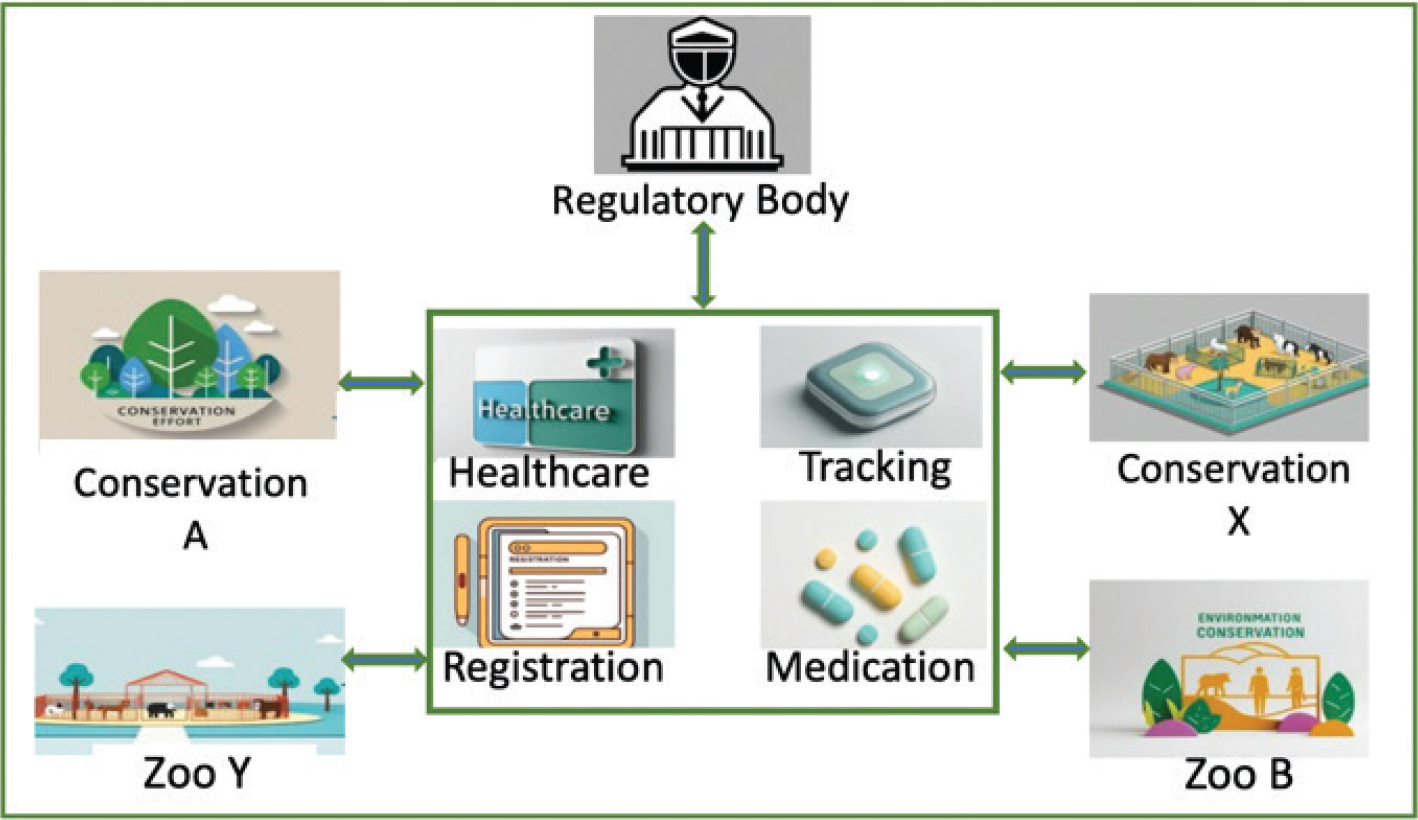
Fig. 1. Schematic configuration of the animal database.
Figure 2 shows the proposed blockchain platform for the ZTD network to enhance the security and efficiency of animal data management in zoos. It utilizes three distributed ledgers: the Animal Registry Ledger for species and identification records, the General Health Ledger for medical history, and the Medication Ledger for prescriptions and treatments. Smart contracts automate key processes, including animal registration, health monitoring, and prescription management, ensuring accuracy and compliance.
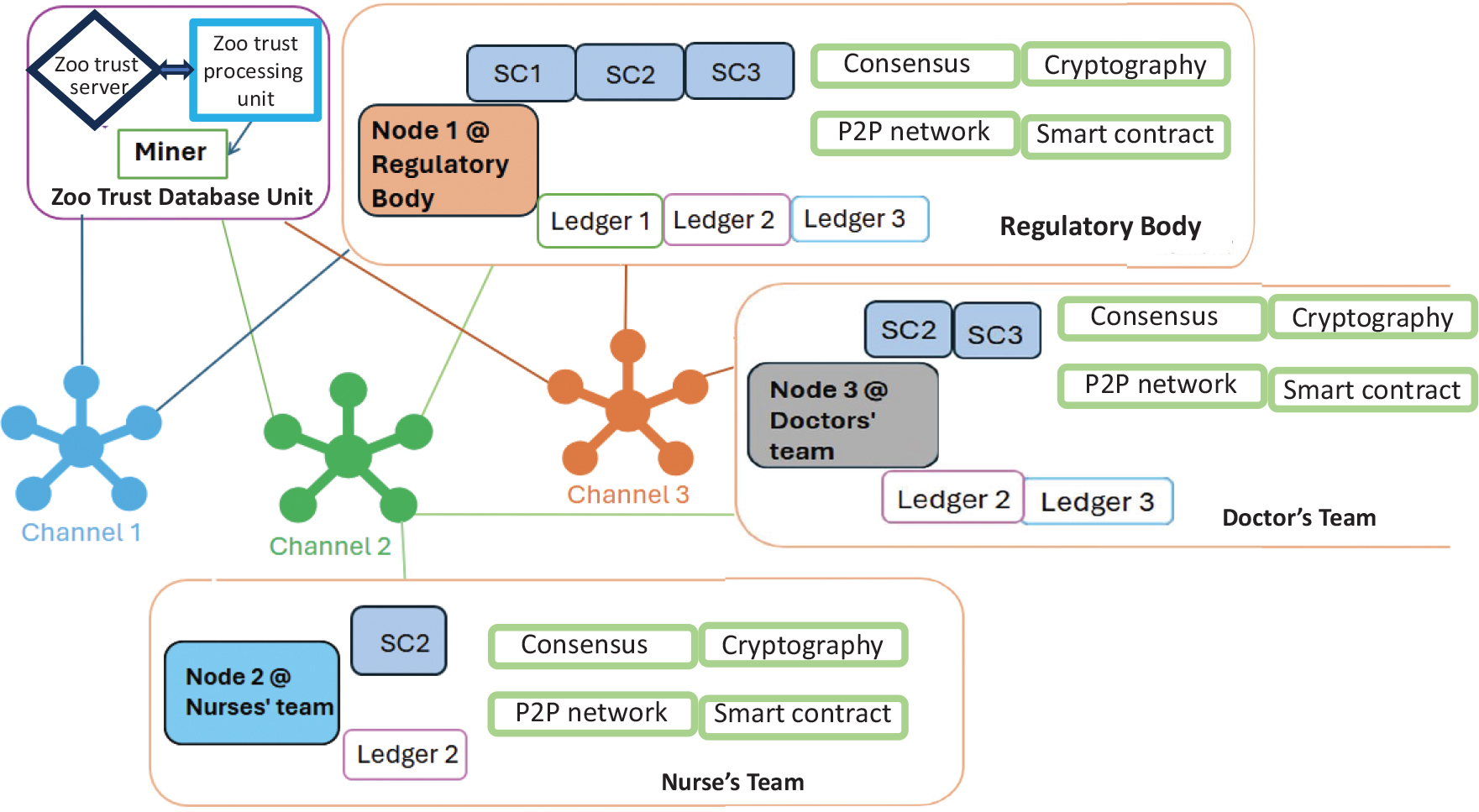
Fig. 2. ZTD Network using a Hyperledger fabric. ZDT: Zoo Trust Database.
Smart contract 1 (SC1) does animal tracking and registry, smart contract 2 (SC2) does health checks, and smart contract 3 (SC3) deals with prescriptions. The system comprises three nodes: the node at the Doctors Team, responsible for diagnoses and prescriptions; the node at the Nurse’s Team, managing daily care and medication; and the node at the Regulatory Body, for animal registration and tracker fitting and overseeing compliance. These nodes communicate through the blockchain channels’ peer-to-peer (P2P) network for secure data sharing. The transactions in the network are consensus-based to ensure valid transactions. Decentralizing the data control system improves transparency, efficiency, and security. This system eliminates unauthorized modifications, reduces paperwork, and provides real-time access to animal health records, enhancing zoo operations and animal welfare.
Figure 3 illustrates the network’s main nodes, each linked to a team; handling verification, transactions, and ledger maintenance via smart contracts. The figure also shows three private channels connecting teams and ensuring confidentiality by restricting access to ledgers. All channels are linked to the ordering node that records approved transactions as blocks in the ledger.
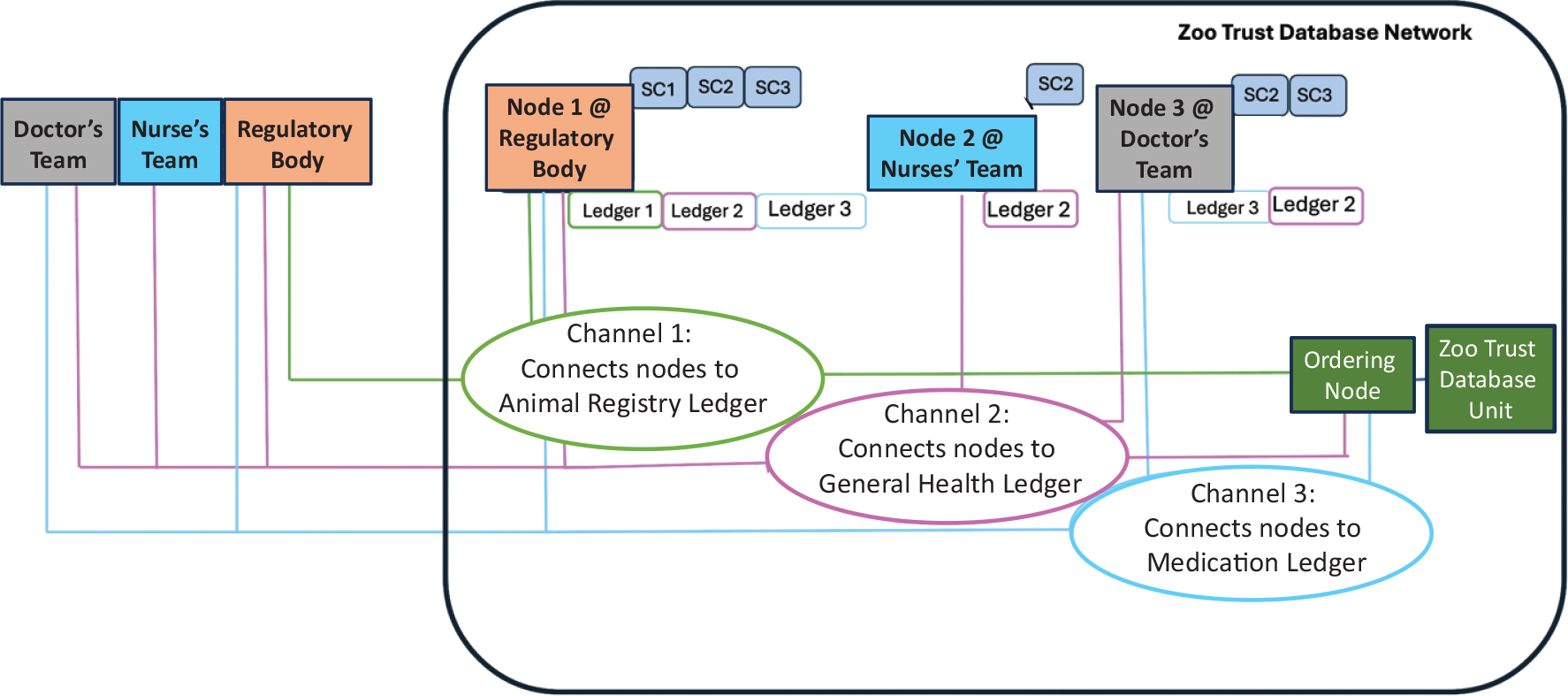
Fig. 3. Internal components of the ZTD Network. ZDT: Zoo Trust Database.
Figure 4 represents the workflow of updating a ledger in the ZTD Network. It illustrates a transaction being recorded in Ledger 1 called “Animal Registry.” The Regulatory Body sends registration and tracking requests to the Endorser, which then executes SC1 and sends back the endorsements. These are then submitted to the ordering node where transactions are put into blocks and forwarded to the committer. The committer validates the endorsements and commits the transaction, updating the “Animal Registry” Ledger. Ledgers 2 and 3 are updated similarly, with the Nurse’s team requesting an update in Ledger 2 called “General Health” and the Doctor’s Team requesting an update in Ledger 3, called “Prescription.”
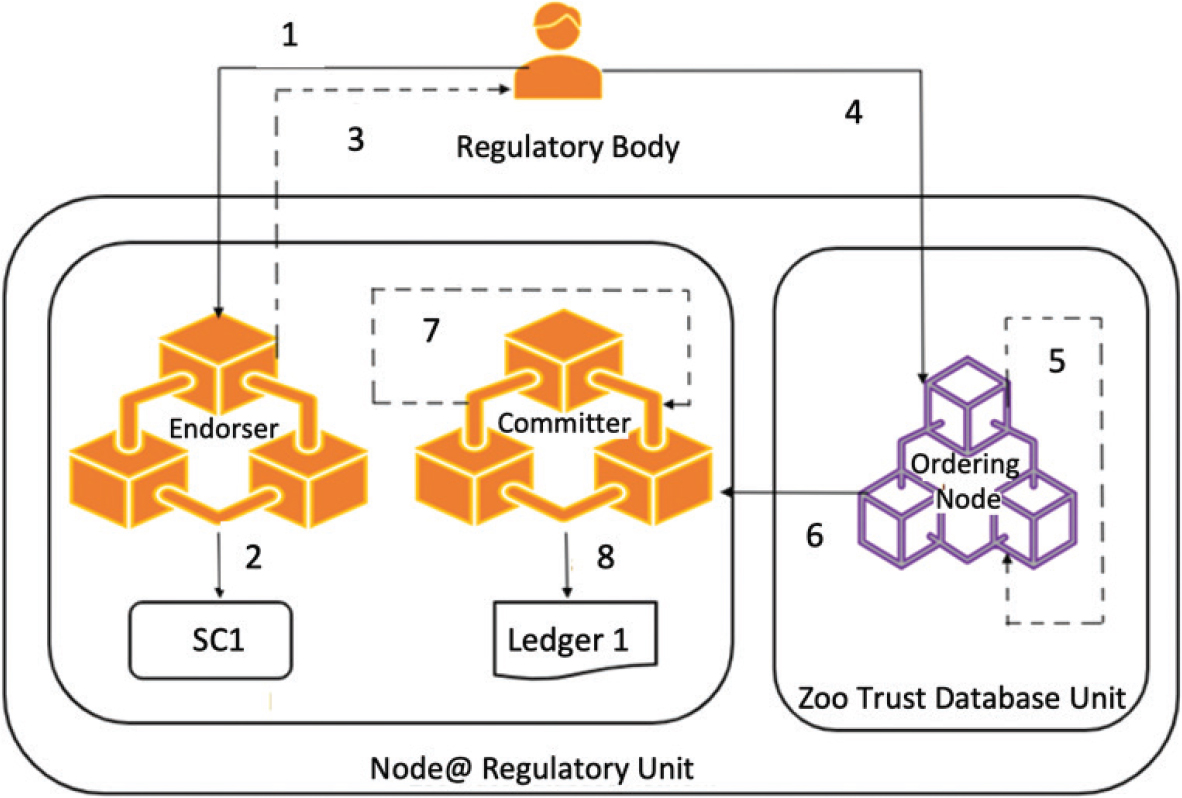
Fig. 4. Updating Ledger in the ZTD Network. (1) Sends registration and tracking request to Endorser. (2) Smart Contract 1 is executed. (3) Sends endorsements back to Regulatory Body. (4) Submits approval to Ordering Mode. (5) Transactions grouped into blocks. (6) Blocks sent to Committer. (7) Validates endorsements and commits transaction. (8) Updates Ledger 1—Animal Registry.
Sequence diagrams (Figure 5) show how the actors work together in a sequence for a process to take place.14 Once the zoo receives a new animal or if an animal is born, they inform the Regulatory Body who then carries out the registration and tracker insertion procedures. The zoo is informed of the successful registration, and it requests the nurse for a health check of the animal. This is then communicated to the doctor, who writes prescriptions as needed and updates the regulatory body.
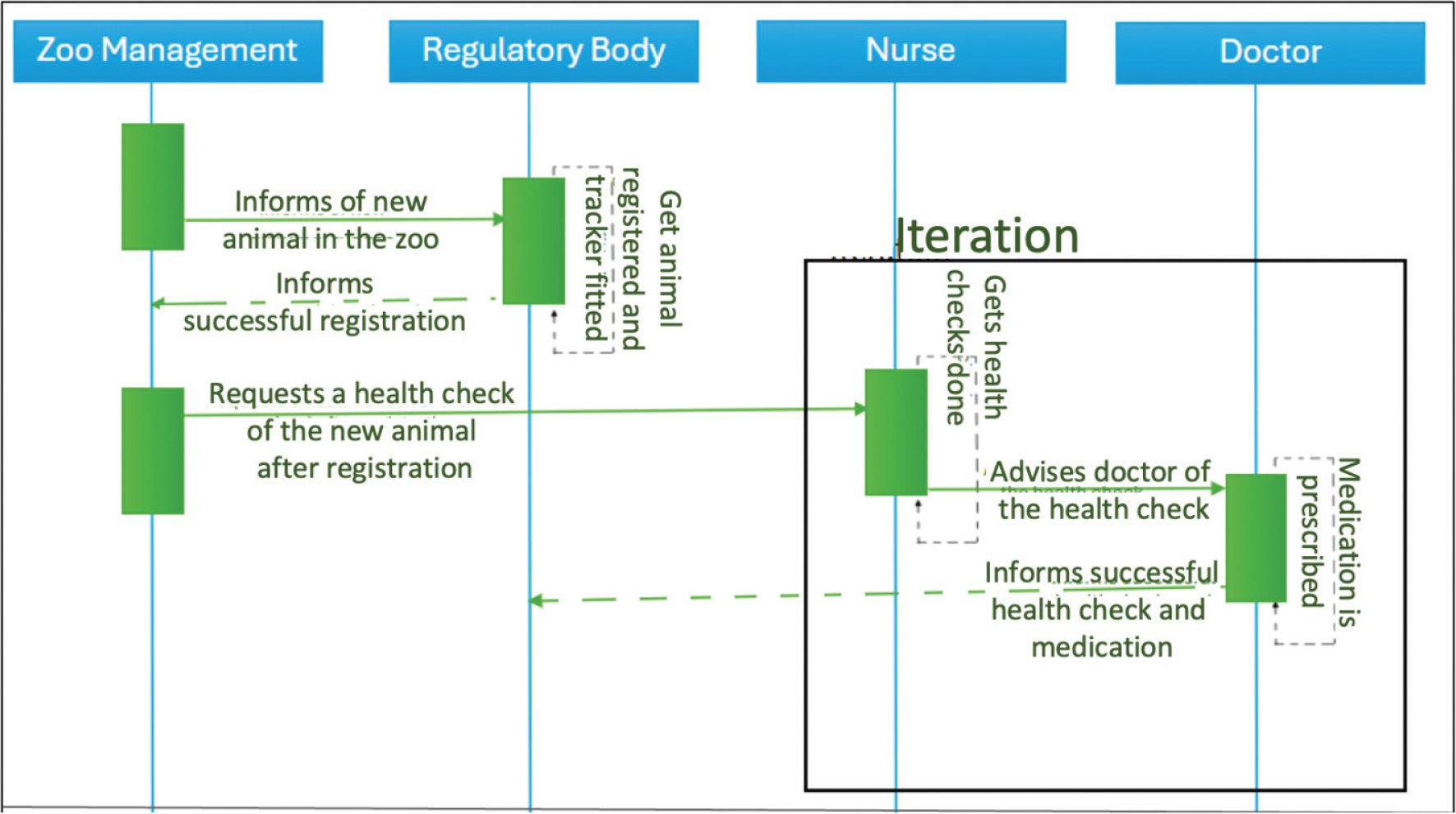
Fig. 5. Sequence diagram system workflow.
Figure 6 demonstrates a sequence diagram for secure transactions across the network for animal registration and tracking. It represents the execution of SC1 by the endorser when requested by the regulatory body after it is notified of a new animal in the zoo. It is then processed to make blocks by the ordering node after it has received all the endorsements and then writes the new data to Ledger 1, where records of animal registration and tracking are stored. The process of updating the health check ledger and the prescription ledger can be shown in similar sequence diagrams.
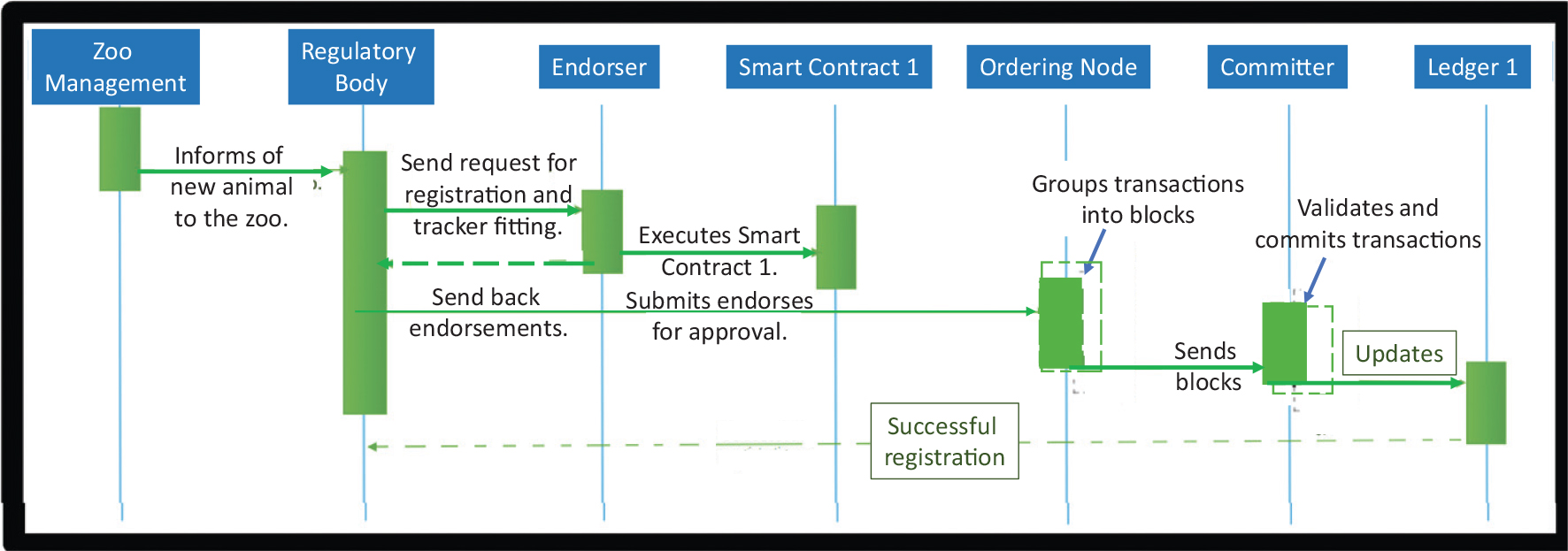
Fig. 6. Sequence diagram: animal registration and tracking.
Expert Opinion
Following the completion of the initial system architecture (as illustrated in Figures 2 to 6), the ZTD design was subjected to an extensive review by the multidisciplinary expert group previously engaged during the requirements analysis phase. The review panel consisted of specialists in veterinary informatics, zoological health management, animal welfare regulation, data governance, and blockchain systems architecture. Their collective expertise ensured that the ZTD design adhered to the highest standards of data reliability, operational transparency, and compliance with sector-specific legislation such as the Animal Welfare Act, Convention on International Trade in Endangered Species of Wild Fauna and Flora (CITES), and national Veterinary Medicines Directorate reporting requirements.
Experts meticulously reviewed the logical and physical architecture of the ZTD, focusing on data flow, transaction integrity, and node distribution across the blockchain network. The ZTD design comprises three primary distributed ledgers, including the Animal Registry Ledger, the General Health Ledger, and the Medication Ledger, each mapped to specific functional domains within the zoo ecosystem.
Experts verified that the data schemas, hash-based linking mechanisms, and node synchronization protocols accurately represent the operational relationships between zoo authorities, veterinarians, and regulatory bodies. Particular attention was paid to the P2P communication topology, which distributes nodes among regulatory, veterinary, and nursing tiers to ensure redundancy and fault tolerance.
Enhancements From Expert Feedback
Feedback from the expert review led to several substantive design refinements. The smart contract execution flow was optimized to support conditional logic for real-world veterinary procedures, for example, automatically flagging deviations from dosage limits, generating compliance alerts for overdue vaccinations, and requiring multi-signature approval for the administration of restricted medications.
The transaction endorsement mechanism was refined to incorporate role-based validation, ensuring that specific transaction types such as animal registration, diagnosis entry, or prescription issuance are endorsed only by authorized personnel (e.g., licensed veterinarians, senior curators, or regulatory auditors). This endorsement model directly mirrors established operational hierarchies within zoo institutions and enhances traceability and accountability across all system interactions.
To further strengthen system resilience, experts advised on upgrading the encryption layer and inter-node authentication protocols, integrating asymmetric cryptography (RSA-4096) and hash-chained audit logs. These measures mitigate potential security risks such as replay attacks, unauthorized data modification, or identity spoofing. Enhancements to the P2P consensus algorithm, a modified Proof of Authority model, were also proposed to ensure low-latency validation in controlled network environments where participants are pre-authorized institutions.
Comparative Context and Justification
Experts further emphasized the importance of distinguishing ZTD from existing veterinary and zoological record systems. While Zoological Information Management System (ZIMS) remains the de facto standard for zoo data management, it operates as a centralized cloud-based database that primarily handles species inventory, clinical records, and institutional reporting. However, such systems are constrained by limited inter-zoo data interoperability, central authority dependence, and the risk of single-point data failure. In addition, their audit trails rely on traditional relational models that can be altered or overwritten by system administrators, undermining the integrity of long-term records.
In contrast, the ZTD introduces a blockchain-enabled, tamper-evident infrastructure that decentralizes data ownership while ensuring cryptographic traceability across participating institutions. The integration of smart contracts and automated data validation logic reduces human error and enforces compliance with both ethical and legal standards. This is particularly critical for sensitive use cases such as the tracking of endangered species, cross-border animal transfers, and controlled medication management.
Expert Consensus and Practical Implications
The expert panel concluded that the ZTD system presents a transformative framework for secure, interoperable, and auditable zoo data management. By merging domain-specific veterinary requirements with blockchain-based decentralization, ZTD addresses long-standing challenges of data fragmentation, trust asymmetry, and regulatory reporting delays.
Their endorsement emphasized the platform’s potential to serve as a national or international standard for zoo and wildlife data governance, facilitating seamless collaboration between zoos, veterinarians, regulators, and researchers. Moreover, the experts recommended that future iterations of the ZTD integrate AI-driven analytics modules for predictive health monitoring and IoT sensor connectivity for real-time data acquisition, thereby extending its functionality into proactive animal welfare management.
Discussion and Conclusion
The ZTD proposed in this study represents an approach to managing and sharing zoological healthcare data through a permissioned blockchain framework built on Hyperledger Fabric. By integrating veterinary informatics, regulatory compliance, and DLT, the system provides a secure, transparent, and tamper-proof mechanism for recording and exchanging animal health information among zoos, conservation facilities, and oversight authorities.
The discussion of expert contributions throughout the design process demonstrates that a multidisciplinary, iterative development approach can effectively align system architecture with real-world veterinary workflows and policy constraints. The implementation of three specialized ledgers, the Animal Registry, General Health, and Medication Ledgers, ensures that all key aspects of animal management are modularly recorded and cryptographically verifiable. Smart contracts were specifically designed to automate core functions such as registration, health status reporting, and medication authorization, reducing human error and ensuring compliance with frameworks like the Animal Welfare Act and Convention on International Trade in Endangered Species of CITES.
From a broader perspective, the ZTD system addresses several long-standing challenges in zoological data management, most notably the lack of interoperability between existing systems such as the ZIMS and the risk of centralized data silos. The permissioned blockchain approach, by contrast, distributes control among authorized peers, ensuring data provenance, auditability, and resilience against single points of failure. This makes ZTD not only a technological advancement but also a governance innovation, redefining trust and accountability in cross-institutional animal welfare management.
In terms of security and data integrity, the use of role-based endorsement policies, hash-linked transaction histories, and asymmetric cryptographic validation significantly strengthens protection against tampering and unauthorized access. These technical safeguards align with the operational realities of zoo environments, where data confidentiality, accuracy, and traceability are paramount to maintaining ethical and legal compliance.
However, while the prototype design demonstrates strong theoretical feasibility and domain-specific relevance, its practical deployment will require extensive real-world validation. Future work will focus on implementing the ZTD system within actual zoo and conservation networks to assess its performance, scalability, and usability under operational conditions. This phase will involve collecting feedback on transaction latency, consensus efficiency, user experience, and regulatory adaptability. Moreover, enhancements such as IoT-based data collection, AI-driven analytics for predictive health monitoring, and interoperability bridges with existing zoo information systems are envisioned to extend the platform’s capability.
In conclusion, the ZTD establishes a robust, blockchain-enabled foundation for transparent and reliable management of animal healthcare data in zoological institutions. By ensuring permissioned access, immutable recordkeeping, and decentralized collaboration, it paves the way for a new paradigm of trust-based digital ecosystems in wildlife care and conservation. The successful deployment and scaling of this system could set a global precedent for integrating blockchain technology into the broader field of veterinary and wildlife informatics, promoting both animal welfare and institutional accountability.
Data Availability Statement (DAS), Data Sharing, Reproducibility, and Data Repositories
Contact the corresponding author for reasonable requests.
Application of AI-Generated Text or Related Technology
Generative AI was used for proofreading the manuscript. All results were carefully checked and verified by the authors.
Contributions
The first three authors listed on the title page designed the system and drafted the initial version of the paper. The senior author tested the system, finalized the paper, and addressed reviewer comments. All authors contributed to conceptualization, writing, and revision of the manuscript and approved the final version for publication.
Acknowledgments
This work is an improved version of coursework submsion of the fist thre authors for the Level 6 module Fundamentals of Industry 4.0. The authors would like to thank the Engineering Department at Nottingham Trent University for their support.
References
- Vatankhah Barenji R. A blockchain technology based trust system for cloud manufacturing. J Intell Manuf. 2022;33(5):1451–65. https://doi.org/10.1007/s10845-020-01735-2
- Vatankhah Barenji R, Hariry RE. Blockchain-enabled quality by design system for clinical trials. Front Med. 2025;12:1546897. https://doi.org/10.3389/fmed.2025.1546897
- Pandey S. Rhetoric in action: a multimodal and rhetorical analysis of PETA and animal justice online advocacy. Comp Compos. 2025;76:102924. https://doi.org/10.1016/j.compcom.2025.102924
- Hanauer DA, Ramakrishnan N, Seyfried LS. Describing the relationship between cat bites and human depression using data from an electronic health record. PLoS One. 2013;8(8):e70585. https://doi.org/10.1371/journal.pone.0070585
- Anholt R. Informatics and the electronic medical record for syndromic surveillance in companion animals: development, application and utility. 2013. PhD thesis, University of Calgary, Jan 2013. https://api.semanticscholar.org/CorpusID:73096833
- Krone LM, Brown CM, Lindenmayer JM. Survey of electronic veterinary medical record adoption and use by independent small animal veterinary medical practices in Massachusetts. J Am Vet Med Assoc. 2014;245(3):324–32. https://doi.org/10.2460/javma.245.3.324
- Summers JF, O’Neill DG, Church D, Collins L, Sargan D,Brodbelt DC. Health-related welfare prioritisation of canine disorders using electronic health records in primary care practice in the UK. BMC Vet Res. 2019;15(1):163. https://doi.org/10.1186/s12917-019-1902-0
- Webster AJ, Gaitskell K, Turnbull I, Cairns BJ, Clarke R. Characterisation, identification, clustering, and classification of disease. Sci Rep. 2021;11(1):5405. https://doi.org/10.1038/s41598-021-84860-z
- Kass PH, Weng HY, Gaona MA, Hille A, Sydow MH, Lund EM, et al. Syndromic surveillance in companion animals utilizing electronic medical records data: development and proof of concept. PeerJ. 2016;4:e1940. https://doi.org/10.7717/peerj.1940
- Yang JJ, Li J, Mulder J, Wang Y, Chen S, Wu H, et al. Emerging information technologies for enhanced healthcare. Comput Ind. 2015;69:3–11. https://doi.org/10.1016/j.compind.2015.01.012
- Burnham CAD, Leeds J, Nordmann P, O’Grady J, Patel J. Diagnosing antimicrobial resistance. Nat Rev Microbiol. 2017;15(11):697–703. https://doi.org/10.1038/nrmicro.2017.103
- Salgueiro Fins I. Canine obesity: text-mining and surveillance approaches using veterinary electronic health records. Doctoral dissertation, University of Liverpool, 2025.
- Clark S, Clarke G, James W, Lomax N. Measuring the accessibility of veterinary care for companion animals in England and Wales. Animal Welfare. 2026;35:e7. https://doi.org/10.1017/awf.2026.10065
- Barenji RV, Nejad MG. Blockchain applications in UAV-towards Aviation 4.0. In: C Kahraman, S Aydın, editors. Intelligent and fuzzy techniques in Aviation 4.0: Theory and applications (pp. 411–30). Springer International Publishing; 2022.
Copyright Ownership: This is an open-access article distributed in accordance with the Creative Commons Attribution Non-Commercial (CC BY-NC 4.0) license, which permits others to distribute, adapt, enhance this work non-commercially, and license their derivative works on different terms, provided the original work is properly cited and the use is non-commercial. See http://creativecommons.org/licenses/by-nc/4.0. The authors of this article own the copyright.