NARRATIVE/SYSTEMATIC REVIEWS/META-ANALYSIS
Use of Blockchain Technology to Accelerate Digital Health Transformation Programs
Regien Sumo1  and Simcha Jong2,3,4
1Post Doctoral Researcher, Leiden University, Faculty of Science, Leiden Netherlands; 2Professor, University College UCL Global Business School for Health, London, United Kingdom; 3University of Eastern Finland, Faculty of Social Sciences and Business Studies, Joensuu Finland; 4École Polytechnique Department of Management, Innovation, and Entrepreneurship, Palaiseau, France
Keywords: Blockchain, data management, decentralization, distributed ledger technology, medical information systems, healthcare, health transformation, medical data
Abstract
Disruptive digital health technologies are reshaping how patients interact with health professionals, how data are shared among providers, and how treatment plans and health outcomes are determined. While the COVID-19 pandemic has accelerated the adoption of digital technologies, challenges remain in realizing the potential of digital transformation programs in healthcare. Specifically, health data need to remain secure, usable, and shareable across multiple stakeholder groups in a world where silos between organizations and information systems persist. The implementation of innovative and disruptive digital technologies such as blockchain can offer a solution to these challenges. This article explores how blockchain technology can be used to accelerate digital health transformation programs. It provides an overview of the technology applications (i.e. data management, Internet of Medical Things [IoMT], supply chain management, and health insurance) and key players based on a literature review and secondary data. It also identifies challenges and success factors in implementing blockchain in healthcare. At the organizational level, we discuss the careful planning and specialized expertise required to overcome the technical, regulatory, and adoption-related hurdles associated with implementing blockchain technology. At the system level, the authors discuss the regulatory constraints, standardization and interoperability issues, and stakeholder engagement challenges linked to implementing blockchain technology.
Plain Language Summary
Disruptive digital health technologies are reshaping how patients interact with health professionals, how data are shared among providers, and how treatment plans and health outcomes are determined. While the COVID-19 pandemic has accelerated adoption of digital technologies, challenges remain. Specifically, health data need to remain secure, usable, and shareable across multiple stakeholder groups. Blockchain offers a promising solution by improving data security, interoperability, and transparency. This article reviews blockchain’s roles in managing medical records, IoT, supply chain management, and health insurance, while also highlighting the organizational and regulatory hurdles and what it takes to implement this technology successfully.
Citation: Blockchain in Healthcare Today 2025, 8: 399 - https://doi.org/10.30953/bhty.v8.399
DOI: https://doi.org/10.30953/bhty.v8.399
Copyright: © 2025 The Authors. This is an open-access article distributed in accordance with the Creative Commons Attribution Non-Commercial (CC BY-NC 4.0) license, which permits others to distribute, adapt, enhance this work non-commercially, and license their derivative works on different terms, provided the original work is properly cited and the use is non-commercial. See: http://creativecommons.org/licenses/by-nc/4.0. The authors of this article own the copyright.
Submitted: April 24, 2025; Accepted: August 5, 2025; Published: August 31, 2025
Correspondence to: Regien Sumor, Email: a.f.sumo@sbb.leidenuniv.nl
Competing interests and funding: None declared
There was no funding involved for this research
Advances in disruptive digital health technologies have brought to the forefront several challenges in realizing the potential of successfully implementing digital health transformation programs.1–3,7–11 Specifically, it is imperative that the enormous volumes of health data generated remain secure while still being easily usable and shareable across various stakeholder groups. While conventional security solutions continue becoming more sophisticated, these solutions remain prone to security breaches and exposure of personal and/or confidential information. Moreover, to make greater use of and realize the significant potential of all the data that the healthcare sector is collecting across various stakeholders, the silos between those stakeholders and different health information systems need to be broken down.2,3,7,9–11 Finally, patients, who are the primary source of data, should be empowered and have greater control over the data they share.12 As the healthcare industry plans for a future where health data can be securely and transparently exchanged and used—while still retaining consumer control, privacy, and confidentiality—blockchain technology has often been suggested as a valuable solution to the challenges faced in digital health transformation programs.6,13–17
Existing studies on the use of blockchain technology in healthcare consist of systematic literature and scoping reviews.2,3,5,8,12,15,18–22 Studies on the use of blockchain in a specific area of the healthcare sector,12,13,16,23–28 and discussions of the technology itself from a computer science angle.22,24,25,29–32 Nevertheless, extant studies remain inadequate in explaining the current state of real-life use of the blockchain technology across the healthcare sector, who the main players are, the challenges faced by healthcare stakeholders in implementing the technology, and an overall assessment of what areas of the healthcare sector can be served by the blockchain technology. The aim of this article is to delve into how blockchain technology can address challenges in digital technology use in the healthcare sector by providing an overview of the technology’s applications (i.e. data management, IoT, supply chain management, and health insurance) and by identifying the key companies in this space. A total of 108 blockchain technology companies active in the healthcare sector are identified using industry databases such as S&P Capital and Crunchbase. In the concluding section, key takeaways for healthcare stakeholders and avenues for future research are outlined.
Previous Work
What is Blockchain?
Blockchain (public or private) is a distributed ledger technology that enables a set of peers to work together to create a unified, decentralized network. To make it decentralized, each network of users (nodes or participants) carries a copy of the ledger, which is a constantly growing list of electronic records (blocks) that are linked using cryptography.13–17,33,34 The list of records is stored and maintained by the nodes on the blockchain.
The role of the nodes on the blockchain is to validate every new block after receiving a notification when a transaction takes place.35,36 Peers can communicate and share information or data with the help of the consensus algorithm (which differs depending on which blockchain is used; e.g. the Bitcoin blockchain uses a “proof of work” consensus method, whereas the Vechain blockchain uses a “proof of stake” consensus method).37–39 Hence, three key components underlie the blockchain technology. First, these include blocks stored linearly, where the latest block is attached to the previous, and each block contains a “hash” used to determine any block’s authenticity. Second, transactions that take place within the network when one peer sends information (sender, receiver, value) to another peer. Third, a consensus method through which a transaction is validated. These features result in key benefits.6,13–17,37,40–44
- Less vulnerability to attacks or fraudulent transactions due to encryption technology
- Better transparency, allowing for real-time monitoring of asset movements
- Enhanced traceability of transactions, as encrypted data cannot be altered or deleted
- Transactional verification without the use of a third-party vendor
- Faster recovery of data, as the full dataset is chronologically stored on every node on the chain
- Utilization of smart contracts, allowing for automatic instruction of processes on ledgers. Smart contracts are a set of agreed orders that are executed only once certain conditions are met, that is, if A is selling a house to B, then once A makes the full payment, the smart contract will execute the transfer of title from A to B
Therefore, given the challenges of digital programs in healthcare delivery laid out in the introduction section and the features and benefits of blockchain, blockchain has the potential to disrupt existing technologies and change the way healthcare is managed and delivered. It puts patients at the center of healthcare delivery while at the same time lowering costs and improving accessibility, security, and privacy.
Blockchain could save the healthcare industry up to $100 billion annually by 2025 in data breach, IT, operation, and personnel costs, and health insurance-related frauds, and health insurance is expected to realize up to $10 billion of cost savings annually.45 Nevertheless, compared to other industries, the healthcare sector is slower when it comes to implementing digital technologies in general and blockchain in particular.27,31,32,46–49
Literature Review
We conducted a literature review and searched for English-language articles that contained the word “blockchain in healthcare” in the title, keywords, and/or abstract. The review of the articles focused on identifying blockchain use cases in the healthcare sector and the main implementation challenges and success factors of using blockchain in healthcare sector (Appendix 1). Articles were selected from the Web of Science, Applied Science & Technology Source, and various internet websites (e.g. Google Scholar and ResearchGate). In total, 29 articles were identified with a specific focus on applications of blockchain technology in the healthcare sector between 2016 and 2023. The outcome of the review represents descriptive insights, supported by secondary data.* The results point to the scarcity of research on the implementation of blockchain in healthcare and limited use in practice of this technology. To address this challenge, we also looked into other articles that discussed the implementation challenges and success factors of blockchain in other industries. We have used the findings of these papers that are relevant for the healthcare sector. As highlighted in Figure 1, extant research remains inadequate in providing an aggregated healthcare sector overview. Moreover, Appendix 1 reveals that existing studies focus mainly on systematic literature and scoping reviews on the applications of blockchain in the healthcare sector with a limited focus on empirical studies.
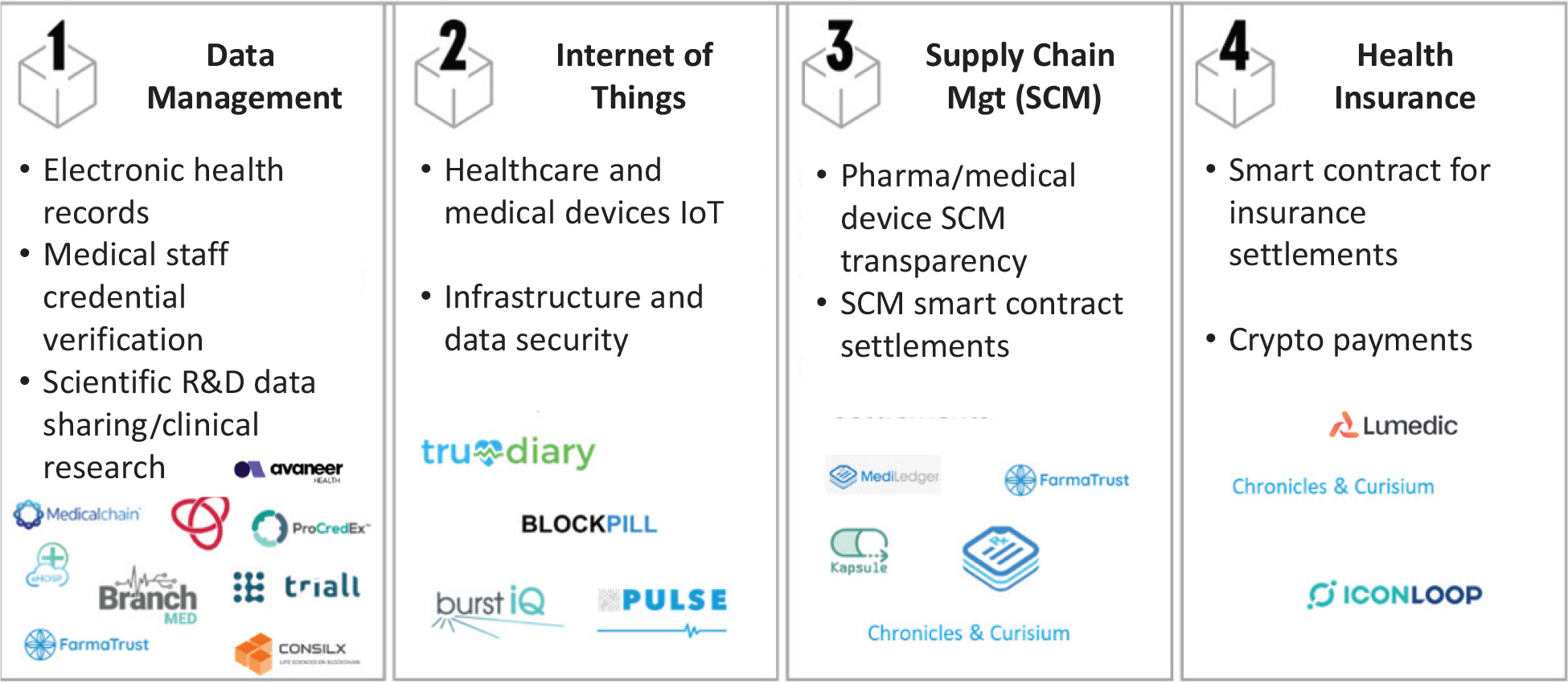
Fig. 1. Blockchain in the healthcare sector. IoT: Internet of Things; R&D: research and delivery.
Use Cases of Blockchain Technology in Healthcare
To identify which blockchain technology companies use and which area of the healthcare sector they serve, we make use of existing large-scale databases (i.e., S&P Capital and Crunchbase) and desk research by searching for and analyzing company websites. We identified 108 global blockchain technology companies that are active in the healthcare sector (Figure 1).
Blockchain technology companies that focus on the healthcare industry are concentrated in the Americas (USA).† Africa and the Middle East lag in terms of companies that are active in blockchain healthcare services (Figure 2).
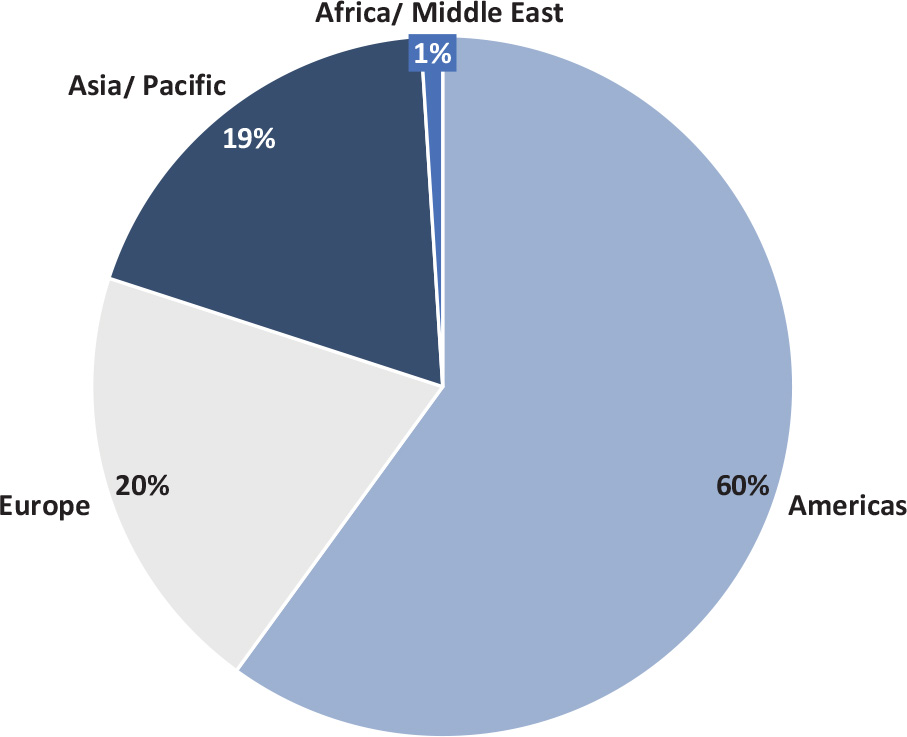
Fig. 2. Overview of blockchain healthcare companies across regions.
Blockchain technology has been deployed across four key areas in the healthcare sector: the majority of blockchain healthcare companies are active in services related to data management, followed by IoT, supply chain management, and health insurance (Figure 3).*
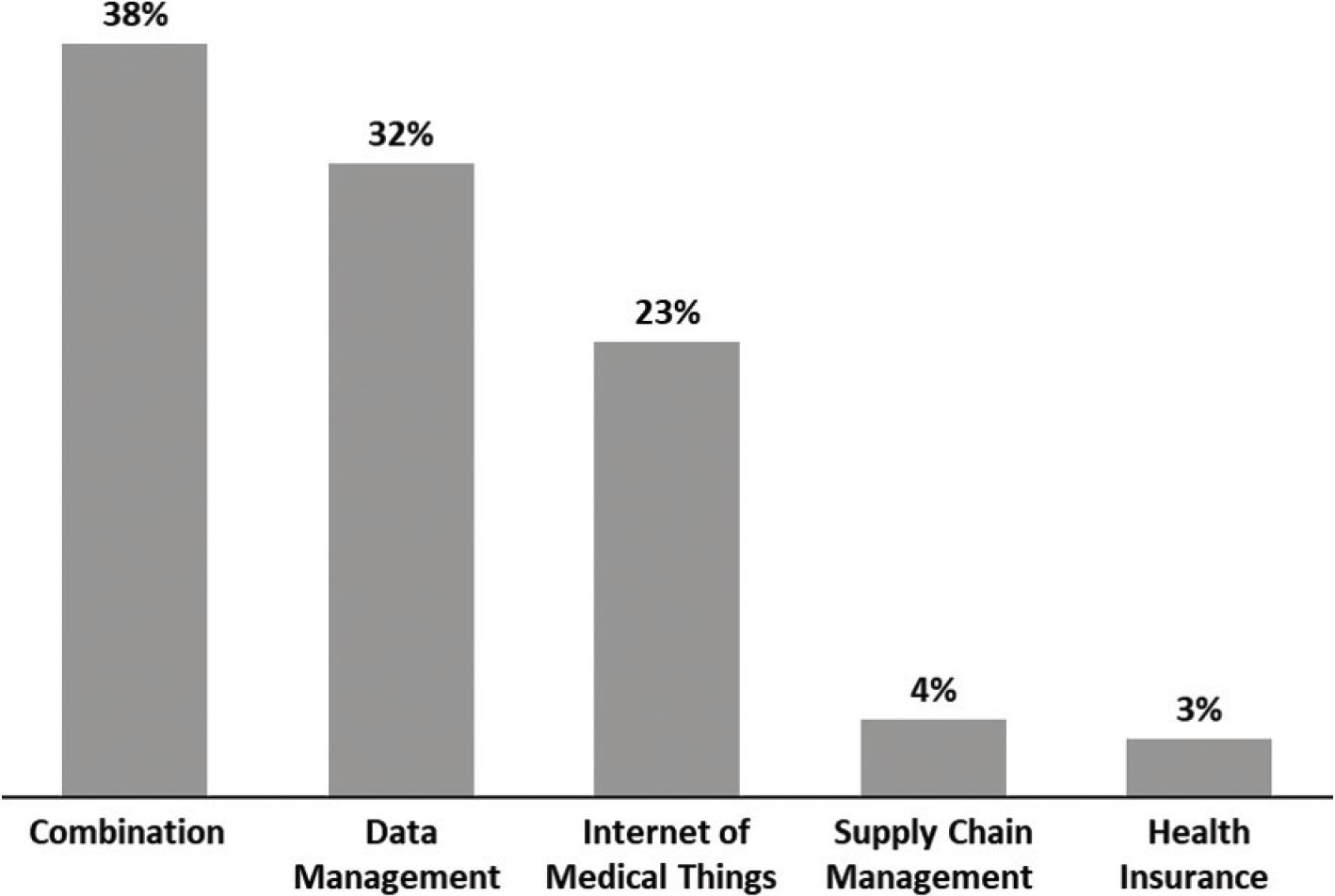
Fig. 3. Overview of blockchain technology services offered in the healthcare sector.
Data Management
Healthcare data management is the compilation of patient data from multiple sources, which allows healthcare providers to enter patient information into a singular database where it can be securely stored, analyzed, and shared.50–52 It creates a holistic view of patients that will allow providers to personalize treatments, improve communication, and enhance health outcomes.52,53 Challenges prevail across three main areas that can be alleviated through blockchain technology.
Electronic Health Records
Prevalence of data silos can be decreased by compiling data from multiple sources into one central hub for a comprehensive view of patient history and providing patient documentation in a digital format securely, anytime, and anywhere by using blockchain technology.6,12,16,32,54 It can offer the “whole story” and a “single source of truth” to health providers,26,31,47 hence providing better diagnostics that are more secure and transparent.
The blockchain technology in this regard is considered more secure given that the actual patient data do not go on the blockchain, but each new record is appended to the blockchain, whether a physician’s note, a prescription, or a lab result, and is translated into a unique hash function (small string of letters and numbers). Every hash function is unique and can be decoded only if the person who owns the data—in this case, the patient—gives their consent. Patients can also choose to share their medical records, or part of their medical records, with researchers. This blockchain-based medical record technology is provided by, for example, a successful UK company, which offers a decentralized platform where providers can build digital health solutions, provide virtual consultation services, and sell their anonymized medical data to medical data exchanges through blockchain.
Medical Staff Credentials
Healthcare credentialing plays a vital role in ensuring the competence and integrity of healthcare professionals. However, the current credentials verification process suffers from time-consuming procedures due to the large number of intermediaries, limited information access, data fragmentation, and the persistent risk of fraudulent credentials, leading to delayed hiring, increased administrative burden, and loss of trust and reputation in the healthcare system.55
Globally, medical document forgery stands at 2.32%.56 For example, in the Middle East alone, an estimated 3% have used fake or misrepresented academic credentials, professional licenses, or work histories in their visa or licensing applications.57 Nurses were most likely to misrepresent their backgrounds (4.4%), followed by allied healthcare professionals such as pharmacists and medical technologists (3.8%). The most commonly misrepresented information is employment history, particularly the tenure, position, and type of institution. It is estimated that fraudulent degree mills generate $7 billion a year in sales worldwide (from $1 billion in 2004), with much of that market in the United States and the Middle East, particularly the Gulf region.58
The prevalence of fake medical credentials can be decreased by using blockchain technology to track the experience of medical professionals throughout their careers in medical institutions and healthcare organizations.59–61 This will result in faster credentialing for healthcare organizations during the hiring process, more opportunities for medical institutions, insurers, and healthcare providers to monetize their existing credentials data on past and existing staff, and increased transparency and reassurance for partners, for example, in emerging virtual health delivery models to inform patients on medical staff experience. A U.S. company has developed a medical credential verification system using the R3 Corda blockchain protocol. This company’s validation engine, distributed ledger technology, and member network contain the following features:
- Establish the provenance of every member-contributed data point.
- Render the data immutable and permanently traceable.
- Analyze the data and produce actionable insights.
- Curate the data to meet an organization’s unique requirements.
- Share the data with trusted and authorized partners.
Scientific R&D Data Sharing and Clinical Research
Lack of trusted and high-quality data and a tampering of trial events during the pharmaceutical development process can be reduced by offering more reliable and widespread population data on blockchain. Personalized medicine is a promising field, but its development is hindered by a lack of sufficient high-quality data and tools for analyzing data.60,62–64
Blockchain could be used to ease access to more reliable and widespread population level data throughout the whole pharma development process.65–70 Blockchain could preserve the privacy and ensure security by using a distributed ledger, thus ensuring that every trial event is recorded on the blockchain nodes, which are tamper-proof. This technology will enable much more powerful segmentation and analysis of targeted medicine research outcomes.
Internet of Medical Things
The Internet of Medical Things (IoMT) refers to the collection of medical devices and applications that connect to and transfer data through online computer networks without any man–machine interactions, which is crucial in monitoring patients and collecting data.71–73 Adoption of remote monitoring solutions, where all kinds of sensors measuring patients’ vital signs are used to provide healthcare practitioners more visibility into patients’ health, enabling more proactive and preventative care.
Security is a major issue in IoMT, both in terms of ensuring patient data are private and secure and is not tampered with to create false information. Through its blockchain cryptography, only permitted parties can gain access to personal data, which is stored on the blockchain as a unique hash function, making it difficult to receive DDoS attacks.6,71 A successful U.S.-based company (HIPAA- and GDPR- compliant platform) leverages blockchain, security, big data, and machine intelligence to enable a health data network. The result is a global, secure data network that allows health systems, payers, digital health companies, pharma & life science companies, and governments to collaborate, share, analyze, and unlock a more in-depth understanding of the diverse factors that influence health. Nevertheless, blockchains suffer from scalability challenges in IoMT applications that need to be addressed (Please refer to the challenges section related to this).
Supply Chain Management (SCM)
SCM Transparency
Many countries are facing challenges related to counterfeit medical drugs and shortages.74,75 These challenges can be alleviated by using blockchain technology that can track items from the manufacturing point and at each stage through the supply chain to have full visibility and transparency of the items.6,61,76–78
Customer Confidence
Customer confidence increases as customers can track each item’s end-to-end authenticity, with the ability to integrate the players in the supply chain, from manufacturers and wholesalers to transportation players and pharmacies. In addition, aggregating supply chain data into one system helps streamline compliance, and because data across the supply chain are stored in one place, companies apply AI to better predict demand and optimize supply accordingly.
A large UK company provides a global blockchain-based pharmaceutical provenance system that eliminates counterfeit drugs, automates various pharmaceutical processes such as automated law enforcement notifications when an issue is discovered, and provides valuable data insights to its customers. Recently, GlaxoSmithKline engaged in a blockchain program using a decentralized approach and an immutable audit trail built for its drug supply chain. The program is designed to eliminate manual, time-consuming processes and help reduce the risk of fraud and errors, ultimately creating frictionless connectivity across supply chains.
SCM Smart Contract Settlement
Disputes over payment chargeback claims for prescription medicines and other medical goods may be solved by blockchain-based smart contracts that enable trading partners and insurance providers to operate based on fully digital and, in some cases, automated contract terms.40,42–44,69 Digitally shared contracts are logged on a blockchain ledger, rather than each player having their own version of contracts. Smart contracts will authenticate the identities of the related organizations, log contract details, and track transaction of goods, and payment settlement details.
Health Insurance
Fraud claims, contract-related disputes, and long durations for processing and settling claims are key challenges in the health insurance industry.79,80 For example, abuse of health services in, for example, the UAE costs 10%–15% of total collected premiums, equaling Arab Emirates Dirham ~3bn (~$0.8 U.S.).81 These challenges can be alleviated by using smart contracts for insurance settlements, which can automatically process claims on blockchain when predefined conditions are met.18,79,82,83
Insurers can thus easily authenticate their identities as organizations, log contract details, and track claims and payment settlement details. This technology will significantly reduce disputes and lower operational expenses due to decreased duplication of procedures, diminished counterparty risks, expanded automation of procedures, and secure and decentralized exchanges being used.24,25,84–86 Moreover, once data are digitized and easily accessible, insurance providers can use more advanced analytics to optimize health outcomes and costs. Note that disadvantages of smart contracts are that, given the immutability of the technology, it is cumbersome to modify the contracts (especially long-term contracts), visibility of the transactions on the blockchain, and the legal enforceability of smart contracts.87
Another area of blockchain usage in the health sector is the use of crypto payments for health services and the settlement of health insurance claims through crypto payments. However, given the high crypto fluctuation and limited regulations in the crypto payment space, there is limited uptake of this technology in the health sector, currently.
The Main Implementation Challenges Involved in Deploying Blockchain Technology
Implementing blockchain technologies can present several challenges, including the following.
Regulatory Compliance
Currently, there is no regulatory framework in place for blockchain solutions, and the introduction of new regulation may also lead to extra costs for early adopters of blockchain technology in healthcare, who may need to modify their systems and processes to comply with new regulatory rules.46,60,88–90 Several regulatory challenges have been identified.91 First, by definition shared distributed ledgers have no specific location, and there may be no single party ultimately responsible for the functioning of the blockchain. Hence, regulatory challenges related to territoriality and liability remain to be solved.
Second, there are no regulatory frameworks in place to recognize blockchain as immutable and tamper-proof, ensuring the accuracy of the information. Third, the tamper-proof characteristic of blockchain is in contrast with existing regulation related to protecting personal data, including health data (e.g. “right to be forgotten,” which grants patients the right to delete information).
Finally, there are no regulatory frameworks in place regarding the validity of data, documents, assets stored on blockchain as evidence of possession or existence. As blockchain technology continues to evolve and gains acceptance, regulators will need to find ways to balance innovation and security to create a regulatory environment that enables the benefits of blockchain in the sector while minimizing the risks. In the meantime, organizations that are considering blockchain solutions will need to work closely with regulators to ensure that their systems and processes are compliant with existing regulations and that they are prepared to adapt to changes.
Technical Complexity and Scalability Challenges, Negatively Impacting the Blockchain’s Performance
Blockchain technology is very complex to implement and requires specialized expertise in areas such as cryptography, distributed systems, and consensus algorithms.90,92,93 It faces scalability challenges related to transaction throughput and latency (i.e. transaction processing time), storage capacity of blockchains, block sizes on the blockchain (smaller blocks limit the number of transactions whereas larger blocks impact transaction throughput and latency), number of nodes connecting to the blockchain, which may impact the performance, which are all related to the consensus mechanisms of blockchains.85,86
Moreover, ensuring interoperability between different blockchain systems and integrating them with existing healthcare systems is challenging, as there are currently no widely accepted standards for blockchain interoperability.94
The Issue of Data Reliability
Blockchain technology is designed to be immutable, meaning that once data are recorded on the blockchain, it cannot be easily modified or deleted.85,86 Accordingly, instances where incorrect initial data are collected or inputted either on purpose or accidentally (which cannot be verified by blockchain) may lead to incorrect data shown in the blockchain system. As a result, incorrect data will persist and be visible in the system, potentially leading to inaccurate analyses or conclusions. This underscores the importance of ensuring that accurate data are collected and inputted into the blockchain system from the outset. Hence, robust data quality control measures are critical for blockchain adopters in the healthcare sector.
Energy Usage of Blockchain Technology, Resulting in Higher Costs
Energy consumption of blockchain technology is a significant concern, as processing data on a blockchain requires a substantial amount of power.95,96 This is because blockchain networks rely on distributed computing power to verify and validate transactions, which requires a significant amount of computational resources. In addition, a sizable amount of energy is required to cool down the computers used to process blockchain transactions, further adding to the overall energy consumption of the system. The energy consumption of blockchain technology has been criticized by some as being unsustainable and environmentally harmful, especially in light of the increasing global demand for energy.96,97 To address this issue, there has been a growing focus on developing more energy-efficient blockchain solutions, such as proof-of-stake consensus algorithms, that can reduce the amount of energy required to process transactions on the blockchain.
Adoption of Blockchain Technology in the Healthcare Sector
One of the major challenges in implementing blockchain technology in the healthcare sector is getting various stakeholders to adopt and use the technology.46 Moreover, stakeholders such as healthcare provider organizations, payers, patients, regulators, and biomedical device- and pharmaceutical companies often bring competing agendas and conflicting interests to the implementation of new blockchain technologies. However, the implementation of blockchain technology requires buy-in from all parties involved and a willingness to invest resources, time, and money into the new technology. Thus, efforts to reconcile oftentimes conflicting agendas and interests represent a major challenge in the adoption of new blockchain technologies.
Overall, implementing blockchain technology can be a challenging process that requires careful planning, specialized expertise, and a willingness to overcome technical, regulatory, and adoption-related hurdles.
What is Next for a Successful Implementation of Blockchain Technology in the Healthcare Sector?
The use of blockchain in the healthcare sector seems to be rapidly becoming a reality as researchers and companies are deploying blockchain technology across various aspects of health systems. In the near term, healthcare blockchain technology can be used for business impact (i.e. process excellence, efficiency gains, tracking and traceability, and identity) and competitive differentiation (i.e. reimagined IT infrastructure, redefined transaction management, and trust in multi-party collaboration). These near-term opportunities mostly offer incremental improvements in the healthcare industry by optimizing existing structures, processes, and value propositions and do not represent major disruptions to the roles of different actors in the healthcare sector. However, the more transformative changes that new blockchain technologies promise to deliver in terms of the creation of new business models that remove various intermediaries and that can disrupt traditional business models are contingent on several factors. Addressing these factors will be critical to supporting the mass adoption of blockchain technology in the healthcare sector.
Regulatory Change
Regulatory bodies (incl. health regulators) are facing obstacles in defining policies that require collaboration.46,60,88–90 In fact, the cryptocurrency crash led to a backlash from regulators against blockchain technology. Key building blocks of blockchain remain unregulated (e.g. smart contracts). Regulations need to be enacted as that will ease adoption of blockchain in the healthcare sector and, more specifically, work on defining policies that will preserve the privacy of users’ medical records.
Improved Performance
Blockchain systems can be slow and cumbersome due to their complexity as well as encrypted and distributed nature. These chains have the potential to become slow as they grow and the number of computers accessing the network, noting that the majority of nodes on the system need to verify the transactions.90,92,93 New technologies and advances in engineering and processing speeds can enhance consensus on the blockchain, leading to improved performance.
Increased Standardization
Many types of blockchains are currently deployed and cannot interact with each other.94 For blockchain’s successful deployment in healthcare, standards must be developed by standardization bodies.
Decreased Costs
Costs of operating a blockchain are high, mainly due to energy costs.95,96 As the complex blockchain algorithm runs, a large amount of computing power is required. Companies like Amazon, Microsoft, Hewlett Packard, Oracle, and IBM are now offering blockchain-as-a-service to healthcare entities looking to use blockchain, benefitting from scale.
Participation of Key Stakeholders
Given the siloed nature of health data and service offerings,21,31,98,99 it is imperative that key stakeholders in the blockchain healthcare ecosystem participate in the enablement and use of blockchain technology. For a safe and secure use of blockchain in the healthcare sector, regulators need to put in place regulations on data security, standardization bodies need to develop blockchain standards in the healthcare sector, patients need to be willing to share their data on the blockchain, and health professionals and providers need to be willing to use the technology.
Conclusion
This contribution outlined some key opportunities and challenges of implementing blockchain technology in healthcare. We provided an overview of the technology’s applications across the domains of data management, IoT, supply chain management, and health insurance. We also identified some key players in the field, as well as the main challenges and success factors in implementing blockchain technology in healthcare.
Our study highlights the fact that the healthcare sector has been slower than many other sectors in implementing blockchain technology. Nevertheless, this study has provided insights into a growing group of companies offering blockchain technology solutions for the healthcare sector, particularly in the Americas. Other continents still lag in terms of blockchain technology companies that focus on healthcare, particularly in the Middle East and Africa. Moreover, we found that the majority of blockchain healthcare companies are active in services related to data management, followed by IoT, supply chain management, and health insurance.
Using blockchain technology in healthcare can be a challenging process requiring careful planning, specialized expertise, and a willingness to overcome technical, regulatory, and adoption-related hurdles. The use of blockchain technology in healthcare seems to be rapidly becoming a reality as researchers and companies are developing various aspects of blockchain-enabled healthcare systems. We identified several factors that will support the wider adoption of blockchain technology in the healthcare sector. These include (1) regulatory changes to ease the adoption of blockchain and preserve the privacy of users’ medical records, (2) improved performance and standardization of blockchain technology to ensure interoperability between different blockchains, (3) reduced costs of blockchain technology, and (4) participation of key stakeholders such as regulators, patients, health professionals, and providers in the enablement and use of blockchain technology for a safe and secure implementation in the healthcare sector.
Our conclusions are in line with existing studies that examine the components and advantages of blockchain technology in the healthcare sector, explore its potential applications in the healthcare sector, and identify the challenges and factors that contribute to successful implementation. Yet, our contribution extends this existing work by providing a more comprehensive overview of initiatives that have been launched around the world to deploy blockchain technology in healthcare settings. Finally, this contribution provides practitioners with a deeper understanding of the challenges and success factors associated with the implementation of blockchain technology in the healthcare sector.
The information in this article paves the way for future research as blockchain technology is gaining momentum in the healthcare sector. Specifically, future research could expand on our findings by utilizing primary data collection methods such as interviews, surveys, and in-depth qualitative case studies to gain richer insights into this nascent field.100
Authors’ Contributions
Regien Sumo collected and analysed the data. She also wrote the first draft of the paper. Simcha Jong further expanded on the manuscript and both authors reviewed the manuscript.
Disclaimer
The overview of blockchain technology services and companies utilized in this paper are for illustrative purposes and do not constitute an endorsement or imply any affiliation with these entities by any of the authors.
Data Availability Statement
The authors confirm that the data supporting the findings of this study are available within the article. Any raw data (where applicable) are available from the corresponding author upon request.
References
- Klonoff DC, Kerr D. Overcoming barriers to adoption of digital health tools for diabetes. J Diabetes Sci Technol. 2018;12(1):3–6. https://doi.org/10.1177/1932296817732459
- Whitelaw S, Pellegrini DM, Mamas MA, Cowie M, Van Spall HGC. Barriers and facilitators of the uptake of digital health technology in cardiovascular care: A systematic scoping review. Eur Heart J Digit Health. 2021;2(1):62–74. https://doi.org/10.1093/ehjdh/ztab005
- Abdolkhani R, Petersen S, Walter R, Zhao L, Butler-Henderson K, Livesay K. The impact of digital health transformation driven by COVID-19 on nursing practice: Systematic literature review. JMIR Nurs. 2022;5(1):e40348. https://doi.org/10.2196/40348
- Inkster B, O’Brien R, Selby E, Joshi S, Subramanian V, Kadaba M. et al. Digital health management during and beyond the COVID-19 pandemic: Opportunities, barriers, and recommendations. JMIR Mental Health. 2020;7(7):e19246. https://doi.org/10.2196/19246
- Naik N, Hameed BMZ, Sooriyaperakasam N, Vinayahalingam S, Patil V, Smriti K, et al. Transforming healthcare through a digital revolution: A review of digital healthcare technologies and solutions. Front Digit Health. 2022;4:919985. https://doi.org/10.3389/fdgth.2022.919985
- Ng WY, Tan T.-E., Movva PVH, Fang AHS, Yeo K.-K., Ho D, et al. Blockchain applications in healthcare for COVID-19 and beyond: A systematic review. Lancet Digital Health. 2021;3(12):e819–29. https://doi.org/10.1016/S2589-7500(21)00210-7
- Alami H, Gagnon M-P, Fortin J.-P. Digital health and the challenge of health systems transformation. mHealth. 2017;3:31. https://doi.org/10.21037/mhealth.2017.07.02
- Giebel GD, Speckemeier C, Abels C, Börchers K, Wasem J, Blase N. et al. Problems and barriers related to the use of digital health applications: Protocol for a scoping review. JMIR Res Protocols. 2022;11(4):e32702. https://doi.org/10.2196/32702
- Ilin I, Iliashenko VM, Dubgorn A, Esser M. Critical factors and challenges of healthcare digital transformation. In: A Rudskoi, A Akaev, T Devezas, editors. Digital transformation and the world economy: Critical factors and sector-focused mathematical models (pp. 205–20). Springer International Publishing; 2022. https://doi.org/10.1007/978-3-030-89832-8_11
- Tanniru MR, Xi Y, Sandhu K. Leadership to advance innovation for digital healthcare transformation [Chapter]. In: Leadership, management, and adoption techniques for digital service innovation. IGI Global; 2020. https://doi.org/10.4018/978-1-7998-2799-3.ch001
- Tseng J, Samagh S, Fraser D, Landman AB. Catalyzing healthcare transformation with digital health: Performance indicators and lessons learned from a Digital Health Innovation Group. Healthcare. 2018;6(2):150–5. https://doi.org/10.1016/j.hjdsi.2017.09.003
- Dubovitskaya A, Novotny P, Xu Z, Wang F. Applications of blockchain technology for data-sharing in oncology: Results from a systematic literature review. Oncology. 2020;98(6):403–11. https://doi.org/10.1159/000504325
- Angraal S, Krumholz HM, Schulz WL. Blockchain technology: Applications in healthcare. Circul Cardiovasc Qual Outcomes. 2017;10(9):e003800. https://doi.org/10.1161/CIRCOUTCOMES.117.003800
- Engelhardt MA. Hitching healthcare to the chain: An introduction to blockchain technology in the healthcare sector. Technol Innov Manag Rev. 2017;7(10):22–34. https://doi.org/10.22215/timreview/1111
- Hasselgren A, Kralevska K, Gligoroski D, Pedersen SA, Faxvaag A. Blockchain in healthcare and health sciences—A scoping review. Int J Med Inform. 2020;134:104040. https://doi.org/10.1016/j.ijmedinf.2019.104040
- Kuo T-T, Kim H-E, Ohno-Machado L. Blockchain distributed ledger technologies for biomedical and healthcare applications. J Am Med Inform Assoc. 2017;24(6):1211–20. https://doi.org/10.1093/jamia/ocx068
- Sharma P, Namasudra S, Gonzalez Crespo R, Parra-Fuente J, Chandra Trivedi M. EHDHE: Enhancing security of healthcare documents in IoT-enabled digital healthcare ecosystems using blockchain. Inf Sci. 2023;629:703–18. https://doi.org/10.1016/j.ins.2023.01.148
- Agbo CC, Mahmoud QH, Eklund JM. Blockchain technology in healthcare: A systematic review. Healthcare. 2019;7(2):Article 2. https://doi.org/10.3390/healthcare7020056
- Hölbl M, Kompara M, Kamišalić A, Nemec Zlatolas L. A systematic review of the use of blockchain in healthcare. Symmetry. 2018;10(10):Article 10. https://doi.org/10.3390/sym10100470
- Hussien HM, Yasin SM, Udzir SNI, Zaidan AA, Zaidan BB. A systematic review for enabling of develop a blockchain technology in healthcare application: Taxonomy, substantially analysis, motivations, challenges, recommendations and future direction. J Med Syst. 2019;43(10):320. https://doi.org/10.1007/s10916-019-1445-8
- Mayer AH, da Costa CA, Righi RdR. Electronic health records in a Blockchain: A systematic review. Health Informatics J. 2020;26(2):1273–88. https://doi.org/10.1177/1460458219866350
- McGhin T, Choo K-KR, Liu CZ, He D. Blockchain in healthcare applications: Research challenges and opportunities. J Netw Comput Appl. 2019;135:62–75. https://doi.org/10.1016/j.jnca.2019.02.027
- Agbo C, Mahmoud Q, Eklund J. Blockchain technology in healthcare: A systematic review. Healthcare. 2019;7(2):56. Available from: https://www.mdpi.com/2227-9032/7/2/56
- Chen C-L, Deng Y-Y, Tsaur W-J, Li C-T, Lee C-C, Wu C-M. A Traceable online insurance claims system based on blockchain and smart contract technology. Sustainability. 2021;13(16):Article 16. https://doi.org/10.3390/su13169386
- Chen M, Malook T, Rehman AU, Muhammad Y, Alshehri MD, Akbar A, et al. Blockchain-enabled healthcare system for detection of diabetes. J Inf Secur Appl. 2021;58:102771. https://doi.org/10.1016/j.jisa.2021.102771
- Cichosz SL, Stausholm MN, Kronborg T, Vestergaard P, Hejlesen O. How to use blockchain for diabetes healthcare data and access management: An operational concept. J Diabetes Sci Technol. 2019;13(2):248–53. https://doi.org/10.1177/1932296818790281
- Tagliafico AS, Campi C, Bianca B, Bortolotto C, Buccicardi D, Francesca C, et al. Blockchain in radiology research and clinical practice: Current trends and future directions. La Radiol Med. 2022;127(4):391–7. https://doi.org/10.1007/s11547-022-01460-1
- Verde F, Stanzione A, Romeo V, Cuocolo R, Maurea S, Brunetti A. Could blockchain technology empower patients, improve education, and boost research in radiology departments? An open question for future applications. J Digit Imaging. 2019;32(6):1112–5. https://doi.org/10.1007/s10278-019-00246-8
- De Aguiar EJ, Faiçal BS, Krishnamachari B, Ueyama J. A survey of blockchain-based strategies for healthcare. ACM Computi Surv. 2020;53(2):27:1–27:27. https://doi.org/10.1145/3376915
- Farouk A, Alahmadi A, Ghose S, Mashatan A. Blockchain platform for industrial healthcare: Vision and future opportunities. Comput Commun. 2020;154:223–35. https://doi.org/10.1016/j.comcom.2020.02.058
- Siyal AA, Junejo AZ, Zawish M, Ahmed K, Khalil A, Soursou G. Applications of Blockchain technology in medicine and healthcare: Challenges and future perspectives. Cryptography. 2019;3(1):Article 1. https://doi.org/10.3390/cryptography3010003
- Yaqoob I, Salah K, Jayaraman R, Al-Hammadi Y. Blockchain for healthcare data management: Opportunities, challenges, and future recommendations. Neural Comput Appl. 2022;34(14):11475–90. https://doi.org/10.1007/s00521-020-05519-w
- Habib G, Sharma S, Ibrahim S, Ahmad I, Qureshi S, Ishfaq M. Blockchain technology: Benefits, challenges, applications, and integration of blockchain technology with cloud computing. Future Internet. 2022;14(11):Article 11. https://doi.org/10.3390/fi14110341
- Mohanta BK, Jena D, Panda SS, Sobhanayak S. Blockchain technology: A survey on applications and security privacy Challenges. Internet of Things. 2019;8:100107. https://doi.org/10.1016/j.iot.2019.100107
- Angrish A, Craver B, Hasan M, Starly B. A case study for Blockchain in manufacturing: “FabRec”: A prototype for peer-to-peer network of manufacturing nodes. Procedia Manuf. 2018;26:1180–92. https://doi.org/10.1016/j.promfg.2018.07.154
- Li J. Data transmission scheme considering node failure for Blockchain. Wireless Pers Commun. 2018;103(1):179–94. https://doi.org/10.1007/s11277-018-5434-x
- Bach LM, Mihaljevic B, Zagar M. Comparative analysis of blockchain consensus algorithms. In: 2018 41st International Convention on Information and Communication Technology, Electronics and Microelectronics (MIPRO). 2018; pp. 1545–50. https://doi.org/10.23919/MIPRO.2018.8400278
- Bamakan SMH, Motavali A, Babaei Bondarti A. A survey of blockchain consensus algorithms performance evaluation criteria. Expert Syst Appl. 2020;154:113385. https://doi.org/10.1016/j.eswa.2020.113385
- Oyinloye DP, Teh JS, Jamil N, Alawida M. Blockchain consensus: An overview of alternative protocols. Symmetry. 2021;13(8):Article 8. https://doi.org/10.3390/sym13081363
- Cong LW, He Z. Blockchain disruption and smart contracts. Rev Financ Stud. 2019;32(5):1754–97. https://doi.org/10.1093/rfs/hhz007
- Garg P, Gupta B, Chauhan AK, Sivarajah U, Gupta S, Modgil S. Measuring the perceived benefits of implementing blockchain technology in the banking sector. Technol Forecast Soc Change. 2021;163:120407. https://doi.org/10.1016/j.techfore.2020.120407
- Hewa T, Ylianttila M, Liyanage M. Survey on blockchain based smart contracts: Applications, opportunities and challenges. J Netw Comput Appl. 2021;177:102857. https://doi.org/10.1016/j.jnca.2020.102857
- Khan SN, Loukil F, Ghedira-Guegan C, Benkhelifa E, Bani-Hani A. Blockchain smart contracts: Applications, challenges, and future trends. Peer-to-Peer Netw Appl. 2021;14(5):2901–25. https://doi.org/10.1007/s12083-021-01127-0
- Zheng Z, Xie S, Dai H-N, Chen W, Chen X, Weng J. et al. An overview on smart contracts: Challenges, advances and platforms. Future Gener Comput Syst. 2020;105:475–91. https://doi.org/10.1016/j.future.2019.12.019
- Blockchain in Healthcare Market. BIS Research; n.d. [cited 2023 Apr 16]. Available from: https://bisresearch.com/industry-report/global-blockchain-in-healthcare-market-2025.html
- Balasubramanian S, Shukla V, Sethi JS, Islam N, Saloum R. A readiness assessment framework for Blockchain adoption: A healthcare case study. Technolo Forecast Soc Change. 2021;165:120536. https://doi.org/10.1016/j.techfore.2020.120536
- Odeh A, Keshta I, Al-Haija QA. Analysis of Blockchain in the healthcare sector: Application and issues. Symmetry. 2022;14(9):Article 9. https://doi.org/10.3390/sym14091760
- Sharma M, Joshi S. Barriers to blockchain adoption in health-care industry: An Indian perspective. J Glob Oper Strateg Sourc. 2021;14(1):134–69. https://doi.org/10.1108/JGOSS-06-2020-0026
- Sust PP, Solans O, Fajardo JC, Peralta MM, Rodenas P, Gabaldà J, et al. Turning the crisis into an opportunity: Digital health strategies deployed during the COVID-19 outbreak. JMIR Public Health Surveill. 2020;6(2):e19106. https://doi.org/10.2196/19106
- Choi A, Shin H. Longitudinal healthcare data management platform of healthcare IoT devices for personalized services. JUCS. 2018;24(9):Article 9. https://doi.org/10.3217/jucs-024-09-1153
- El aboudi N, Benhlima L. Big data management for healthcare systems: Architecture, requirements, and implementation. Adv Bioinform. 2018;2018:1–10. https://doi.org/10.1155/2018/4059018
- Senthilkumar SA, Rai B, Gunasekaran A. Big data in healthcare management: A review of literature. Am J Theor Appl Bus. 2018;4. https://doi.org/10.11648/j.ajtab.20180402.14
- Chen P.-T, Lin C-L, Wu W-N. Big data management in healthcare: Adoption challenges and implications. Int J Inform Manag. 2020;53:102078. https://doi.org/10.1016/j.ijinfomgt.2020.102078
- Dimitrov DV. Blockchain applications for healthcare data management. Healthc Inform Res. 2019;25(1):51–6. https://doi.org/10.4258/hir.2019.25.1.51
- Alnuaimi A, Hawashin D, Jayaraman R, Salah K, Omar M. Trustworthy healthcare professional credential verification using blockchain technology. IEEE Access. 2023;1. https://doi.org/10.1109/ACCESS.2023.3322359
- DataFlow G. Document forgery in healthcare: The integral role of primary source verification as a solution [Internet]. NHS Providers; 2016, November 29 [cited 2025 Apr 20]. Available from: https://nhsproviders.org/resources/reports/document-forgery-in-healthcare-the-integral-role-of-primary-source-verification-as-a-solution
- DataFlow G. The alarming reality of document fraud in healthcare: A closer look [Internet]. DataFlow Group; 2024 [cited 2025 Apr 20]. Available from: https://www.dataflowgroup.com/the-alarming-reality-of-document-fraud-in-healthcare-a-closer-look/
- Whitford E. How thousands of nurses got licensed with fake degrees [Internet]. Forbes; 2023 [cited 2025 Apr 20]. Available from: https://www.forbes.com/sites/emmawhitford/2023/02/21/how-thousands-of-nurses-got-licensed-with-fake-degrees/
- Epiphaniou G, Daly H, Al-Khateeb H. Blockchain and healthcare. In: H Jahankhani, S Kendzierskyj, A Jamal, G Epiphaniou, H Al-Khateeb, editors. Blockchain and clinical trial: Securing patient data. Springer International Publishing; 2019, pp. 1–29. https://doi.org/10.1007/978-3-030-11289-9_1
- Mackey TK, Kuo T-T, Gummadi B, Clauson KA, Church G, Grishin D, et al. “Fit-for-purpose?”—Challenges and opportunities for applications of blockchain technology in the future of healthcare. BMC Med. 2019;17(1):68. https://doi.org/10.1186/s12916-019-1296-7
- Saddikuti V, Galwankar S, Akilesh Sai SV. Application of blockchain technology in healthcare supply chains. In: S Stawicki, editor. Blockchain in healthcare: From disruption to integration. Springer International Publishing; 2023, pp. 215–23. https://doi.org/10.1007/978-3-031-14591-9_14
- Adams SA, Petersen C. Precision medicine: Opportunities, possibilities, and challenges for patients and providers. J Am Med Inform Assoc. 2016;23(4):787–90. https://doi.org/10.1093/jamia/ocv215
- Liu X, Luo X, Jiang C, Zhao H. Difficulties and challenges in the development of precision medicine. Clin Genet. 2019;95(5):569–74. https://doi.org/10.1111/cge.13511
- McPadden J, Durant TJ, Bunch DR, Coppi A, Price N, Rodgerson K, et al. Healthcare and precision medicine research: Analysis of a scalable data science platform. J Med Internet Res. 2019;21(4):e13043. https://doi.org/10.2196/13043
- Benchoufi M, Ravaud P. Blockchain technology for improving clinical research quality. Trials. 2017;18(1):335. https://doi.org/10.1186/s13063-017-2035-z
- Hang L, Kim B, Kim K, Kim D. A permissioned blockchain-based clinical trial service platform to improve trial data transparency. BioMed Res Int. 2021;2021:e5554487. https://doi.org/10.1155/2021/5554487
- Mamun Q. Blockchain technology in the future of healthcare. Smart Health. 2022;23:100223. https://doi.org/10.1016/j.smhl.2021.100223
- Maslove DM, Klein J, Brohman K, Martin P. Using blockchain technology to manage clinical trials data: A proof-of-concept study. JMIR Med Informtics. 2018;6(4):e11949. https://doi.org/10.2196/11949
- Nugent T, Upton D, Cimpoesu M. Improving data transparency in clinical trials using blockchain smart contracts. F1000Research. 2016;5:2541. https://doi.org/10.12688/f1000research.9756.1
- Zhuang Y, Zhang L, Gao X, Shae Z-Y, Tsai JJP, Li P, et al. Re-engineering a clinical trial management system using blockchain technology: System design, development, and case studies. J Med Internet Res. 2022;24(6):e36774. https://doi.org/10.2196/36774
- Bigini G, Freschi V, Lattanzi E. A review on blockchain for the internet of medical things: Definitions, challenges, applications, and vision. Future Internet. 2020;12(12):Article 12. https://doi.org/10.3390/fi12120208
- Pratap Singh R, Javaid M, Haleem A, Vaishya R, Ali S. Internet of Medical Things (IoMT) for orthopaedic in COVID-19 pandemic: Roles, challenges, and applications. J Clin Orthop Trauma. 2020;11(4):713–7. https://doi.org/10.1016/j.jcot.2020.05.011
- Razdan S, Sharma S. Internet of Medical Things (IoMT): Overview, emerging technologies, and case studies. IETE Tech Rev. 2022;39(4):775–88. https://doi.org/10.1080/02564602.2021.1927863
- Kumar B, Baldi A. The challenge of counterfeit drugs: A comprehensive review on prevalence, detection and preventive measures. Current Drug Safety. 2016;11(2):112–20.
- Nayyar GML, Breman JG, Mackey TK, Clark JP, Hajjou M, Littrell M, et al. Falsified and substandard drugs: Stopping the pandemic. Am J Trop Med Hyg. 2019;100(5):1058–65. https://doi.org/10.4269/ajtmh.18-0981
- Feng H, Wang X, Duan Y, Zhang J, Zhang X. Applying blockchain technology to improve agri-food traceability: A review of development methods, benefits and challenges. J Clean Prod. 2020;260:121031. https://doi.org/10.1016/j.jclepro.2020.121031
- Reda M, Kanga DB, Fatima T, Azouazi M. Blockchain in health supply chain management: State of art challenges and opportunities. Procedia Comput Sci. 2020;175:706–9. https://doi.org/10.1016/j.procs.2020.07.104
- Tijan E, Aksentijević S, Ivanić K, Jardas M. Blockchain technology implementation in logistics. Sustainability. 2019;11(4):Article 4. https://doi.org/10.3390/su11041185
- Amponsah AA, Adekoya AF, Weyori BA. Improving the financial security of national health insurance using cloud-based blockchain technology application. Int J Inf Manag Data Insights. 2022;2(1):100081. https://doi.org/10.1016/j.jjimei.2022.100081
- Thaifur AYBR, Maidin MA, Sidin AI, Razak A. How to detect healthcare fraud? A systematic review. Gac Sanit. 2021;35:S441–9. https://doi.org/10.1016/j.gaceta.2021.07.022
- Middle East Insurance. UAE: Abuse swallows up to 15% of health premiums. Middle East Insurance Review; n.d. [cited 2023 Apr 16]. Available from: https://www.meinsurancereview.com/News/View-NewsLetter-Article?id=43786&Type=MiddleEast
- Akbar A, Khan AMA. Modernizing the health insurance industry using blockchain and smart contracts. In Blockchain for healthcare systems. CRC Press; 2021.
- Chondrogiannis E, Andronikou V, Karanastasis E, Litke A, Varvarigou T. Using blockchain and semantic web technologies for the implementation of smart contracts between individuals and health insurance organizations. Blockchain Res Appl. 2022;3(2):100049. https://doi.org/10.1016/j.bcra.2021.100049
- Dal Mas F, Dicuonzo G, Massaro M, Dell’Atti V. Smart contracts to enable sustainable business models. A case study. Manag Decis. 2020;58(8):1601–19. https://doi.org/10.1108/MD-09-2019-1266
- Khan D, Jung LT, Hashmani MA. Systematic literature review of challenges in blockchain scalability. Appl Sci. 2021;11(20):Article 20. https://doi.org/10.3390/app11209372
- Khan M, Hassan A, Ali Md I. Secured insurance framework using blockchain and smart contract. Sci Program. 2021;2021:1–11. https://doi.org/10.1155/2021/6787406
- Nzuva S. Smart contracts implementation, applications, benefits, and limitations. J Inf Eng Appl. 2019. https://doi.org/10.7176/JIEA/9-5-07
- Charles WM. Regulatory compliance considerations for blockchain in life sciences research. In W. Charles, editor. Blockchain in life sciences. Springer Nature; 2022, pp. 237–66. https://doi.org/10.1007/978-981-19-2976-2_11
- Cumming DJ, Johan S, Pant A. Regulation of the crypto-economy: Managing risks, challenges, and regulatory uncertainty. J Risk Financ Manag. 2019;12(3):Article 3. https://doi.org/10.3390/jrfm12030126
- Pane J, Verhamme KMC, Shrum L, Rebollo I, Sturkenboom MCJM. Blockchain technology applications to postmarket surveillance of medical devices. Expert Rev Med Dev. 2020;17(10):1123–32. https://doi.org/10.1080/17434440.2020.1825073
- BBVA. 7 regulatory challenges facing blockchain [Internet]. BBVA. NEWS BBVA; 2017, January 16 [cited 2025 Apr 20]. Available from: https://www.bbva.com/en/7-regulatory-challenges-facing-blockchain/
- Mazlan AA, Mohd Daud S, Mohd Sam S, Abas H, Abdul Rasid SZ, Yusof MF. Scalability challenges in healthcare blockchain system—A systematic review. IEEE Access. 2020;8:23663–73. https://doi.org/10.1109/ACCESS.2020.2969230
- Toufaily E, Zalan T, Dhaou SB. A framework of blockchain technology adoption: An investigation of challenges and expected value. Inf Manag. 2021;58(3):103444. https://doi.org/10.1016/j.im.2021.103444
- Belchior R, Vasconcelos A, Guerreiro S, Correia M. A survey on blockchain interoperability: Past, present, and future trends. ACM Comput Surveys. 2021;54(8):168:1–168:41. https://doi.org/10.1145/3471140
- Sedlmeir J, Buhl HU, Fridgen G, Keller R. The energy consumption of blockchain technology: Beyond myth. business & information systems engineering. 2020;62(6):599–608. https://doi.org/10.1007/s12599-020-00656-x
- Truby J. Decarbonizing Bitcoin: Law and policy choices for reducing the energy consumption of Blockchain technologies and digital currencies. Energy Res Soc Sci. 2018;44:399–410. https://doi.org/10.1016/j.erss.2018.06.009
- Bada AO, Damianou A, Angelopoulos CM, Katos V. Towards a green blockchain: A review of consensus mechanisms and their energy consumption. In: 2021 17th International Conference on Distributed Computing in Sensor Systems (DCOSS). 2021; pp. 503–11. https://doi.org/10.1109/DCOSS52077.2021.00083
- Attaran M. Blockchain technology in healthcare: Challenges and opportunities. Int J Healthc Manag. 2022;15(1):70–83. https://doi.org/10.1080/20479700.2020.1843887
- Durneva P, Cousins K, Chen M. The current state of research, challenges, and future research directions of blockchain technology in patient care: Systematic review. J Med Internet Res. 2020;22(7):e18619. https://doi.org/10.2196/18619
- Rieke N, Hancox J, Li W, Milletarì F, Roth HR, Albarqouni S, et al. The future of digital health with federated learning. NPJ Digit Med. 2020;3(1):Article 1. https://doi.org/10.1038/s41746-020-00323-1
Copyright Ownership: This is an open-access article distributed in accordance with the Creative Commons Attribution Non-Commercial (CC BY-NC 4.0) license, which permits others to distribute, adapt, enhance this work non-commercially, and license their derivative works on different terms, provided the original work is properly cited and the use is non-commercial. See: http://creativecommons.org/licenses/by-nc/4.0. The authors of this article own the copyright.
| Authors/year | Study design | Blockchain focus areas in the healthcare sector | Implementation challenges | ||||||||
| Literature review/ case examples | Empirical (survey/ interviews/ application) | Data mgt | IoT | Supply chain mgt | Health insurance | Regulatory compliance | Tech. complexity/ scalability | Data reliability | Energy usage/ costs | Adoption | |
| Akbar and Khan82 | √ | √ | √ | √ | |||||||
| Amponsah et al.79 | √ | √ | √ | ||||||||
| Attaran98 | √ | √ | √ | √ | √ | √ | √ | ||||
| Balasubramanian et al.46 | √ | √ | √ | √ | |||||||
| Benchoufi and Ravaud65 | √ | √ | |||||||||
| Bigini et al.71 | √ | √ | |||||||||
| Charles88 | √ | √ | √ | √ | |||||||
| Chen et al.24,25 | √ | √ | √ | √ | |||||||
| Chondrogiannis et al.83 | √ | √ | √ | √ | √ | √ | √ | ||||
| Cichosz et al.26 | √ | √ | √ | √ | |||||||
| Cornelius et al., 2019 | √ | √ | √ | √ | √ | √ | √ | ||||
| Dimitrov54 | √ | √ | √ | ||||||||
| Dubovitskaya et al.12 | √ | √ | √ | √ | √ | √ | |||||
| Durneva et al.99 | √ | √ | √ | √ | √ | ||||||
| Hang et al.65 | √ | √ | √ | ||||||||
| Kuo et al.16 | √ | √ | √ | √ | √ | √ | |||||
| Mackey et al.60 | √ | √ | √ | √ | √ | ||||||
| Maslove et al.68 | √ | √ | √ | √ | |||||||
| Mayer et al.21 | √ | √ | √ | √ | √ | √ | |||||
| Mazlan et al.92 | √ | √ | √ | √ | √ | √ | |||||
| Ng et al.6 | √ | √ | √ | √ | √ | ||||||
| Nugent et al.69 | √ | √ | |||||||||
| Odeh et al.47 | √ | √ | √ | √ | √ | √ | |||||
| Pane et al.90 | √ | √ | √ | √ | √ | √ | √ | √ | |||
| Reda et al.77 | √ | √ | √ | √ | |||||||
| Saddikuti et al.61 | √ | √ | √ | √ | √ | √ | √ | ||||
| Siyal et al.31 | √ | √ | √ | √ | √ | √ | |||||
| Yaqoob et al.32 | √ | √ | √ | √ | √ | √ | √ | √ | |||
| Zhuang et al.70 | √ | √ | √ | √ | √ | √ | |||||
| IoT: Internet of Things; Mgt: management. | |||||||||||
Footnotes
*, Company websites, S&P Capital, Crunchbase. N = 108.
†, Company websites, S&P Capital, Crunchbase. N = 108.